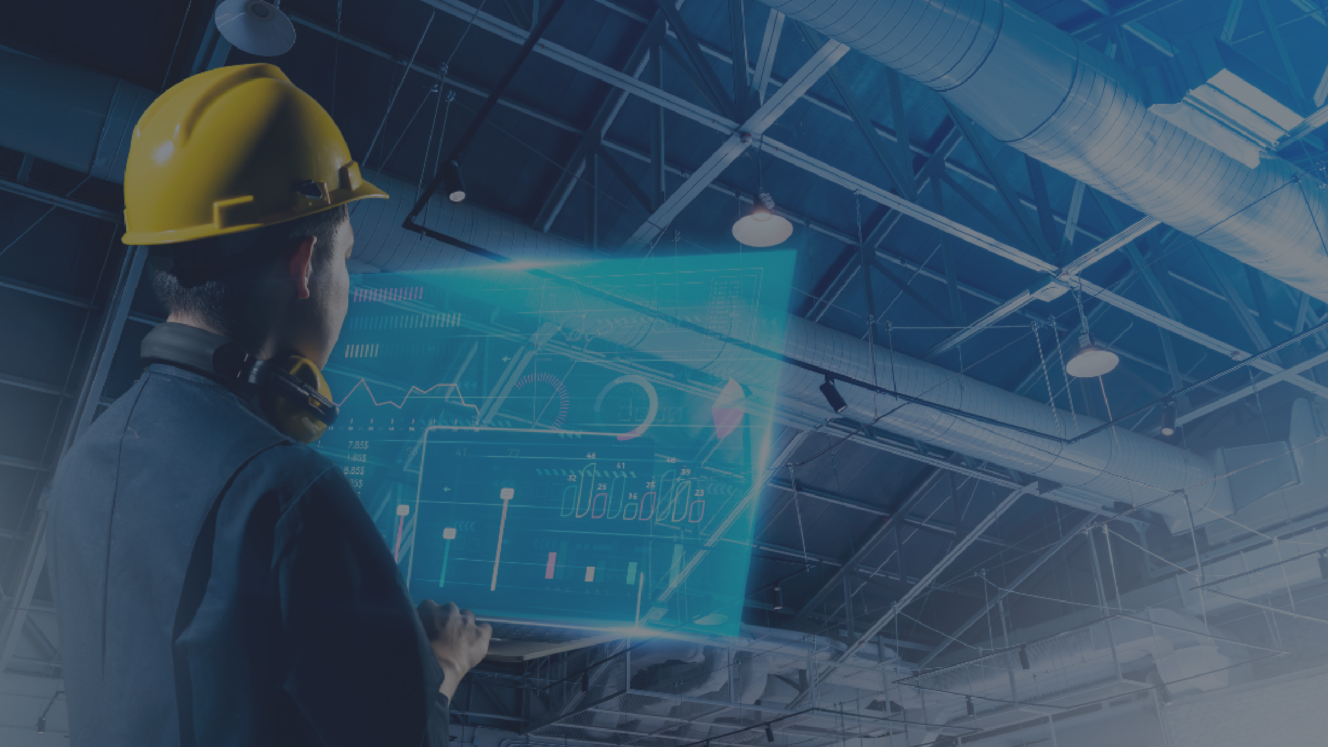
Imagine a factory humming with potential, yet held back by outdated systems and fragmented data. When systems struggle to communicate, critical tasks like risk management and quality control often fall through the cracks. Without seamless access to real-time data, decision-making becomes less certain, and strategic planning becomes more difficult. The result? Lost time, missed opportunities, and a notable dip in productivity.
Fragmented systems complicate everything—from decision-making to daily operations. In the age of Industry 4.0, these challenges can hinder progress.
The cost of IoT challenges – and the risks of ignoring them
Deploying IoT across multiple solutions comes with its own set of challenges:
- Management complexity: Coordinating multiple vendors and verticals can be overwhelming.
- Operational fragmentation: A disjointed approach hampers efficiency, underscoring the need for a unified solution.
But what’s the price of ignoring these issues?
- Since 2010, $35 trillion has been spent on IT products and services, according to Statista. Of that, 75% was allocated to maintaining outdated systems, while $2.5 trillion was designated for replacements—$720 billion of which was lost on failed efforts.
- Companies spend around $300 billion each year just to keep legacy systems running, according to Stripe and Harris poll.
- More than 70% of companies find it difficult to implement and scale advanced technologies in a way that delivers significant improvement in return on investment or operational key performance indicators (KPIs).
The stakes, however, are higher than mere financial costs. As digital transformation speeds up, IoT integrations need top-notch cybersecurity to avoid costly breaches and the kind of reputational damage that’s hard to recover from.
Conquering the data integration challenge?
For companies with outdated systems, integrating data from multiple sources can feel like assembling a jigsaw puzzle with missing pieces. A large share of enterprise data goes unused, leaving valuable insights untapped.
This complexity slows down digital transformation and prevents companies from fully embracing the opportunities of Industry 4.0. Without access to real-time data, decision-making can feel like a shot in the dark, and strategic planning is clouded with uncertainty.
Addressing these integration challenges is key for businesses looking to move beyond outdated systems. By overcoming these hurdles, organizations can unlock real-time data, streamline operations, and stay competitive in the era of Industry 4.0.
Breaking free from legacy systems and the skills bottleneck?
Old habits—and even older technology—are tough to shake. Many companies still rely on legacy systems and traditional practices, slowing their path to digital maturity.
Manufacturers are struggling to attract skilled talent, which slows down digital transformation efforts. These outdated systems and practices predate IoT, driving up costs and delaying essential projects.
The result is clear: underperforming equipment, wasted energy, and decision-making hindered by a lack of actionable insights. To thrive and unlock the full potential of Industry 4.0, businesses must address these challenges head-on:
- Outdated tech: Legacy systems limit flexibility and growth.
- High upgrade costs: Expensive overhauls can block innovation.
- Skill gaps: A lack of skilled talent hinders progress.
- Operational inefficiencies: Wasted resources and missed opportunities for improvement.
The false economy of short-term thinking?
In an effort to cut costs, companies sometimes make the mistake of prioritizing short-term savings over long-term growth—a classic case of focusing too much on immediate financial gains, to the detriment of future success. When the emphasis is on reducing costs today, the foundation for tomorrow starts to weaken:
- Archaic systems: Delaying necessary upgrades keeps businesses stuck with technology that can’t keep pace.
- Limited flexibility: Short-term fixes lock companies into rigid systems, limiting their ability to adapt to a changing market.
- Missed innovation: Focusing only on quick wins can blind companies to transformative ideas, leaving growth potential untapped.
Smashing silos and breaking down integration barriers?
Siloed systems in IT and OT create significant barriers to scalability and integration. These gaps force businesses into inefficient manual workflows and expose them to security risks. These roadblocks prevent companies from realizing the full potential of digital transformation.
To tackle these issues, many organizations are adopting hybrid solutions that blend cloud technologies with on-premise systems. This allows businesses to gradually modernize without the need for a full system overhaul. Edge computing is another emerging approach, enabling data processing closer to the source, reducing latency, and improving real-time decision-making. Additionally, businesses are leveraging AI-driven analytics platforms to unify disparate data streams and extract actionable insights from legacy systems.
Standardizing communication protocols and investing in Industrial IoT (IIoT) platforms are also helping bridge the gap between operational technology (OT) and information technology (IT). These platforms serve as a foundation for predictive maintenance, remote monitoring, and overall operational efficiency. The key is finding scalable, secure solutions that minimize disruption while maximizing the value of existing infrastructure.
Treon Connect – A unified approach to digital transformation?
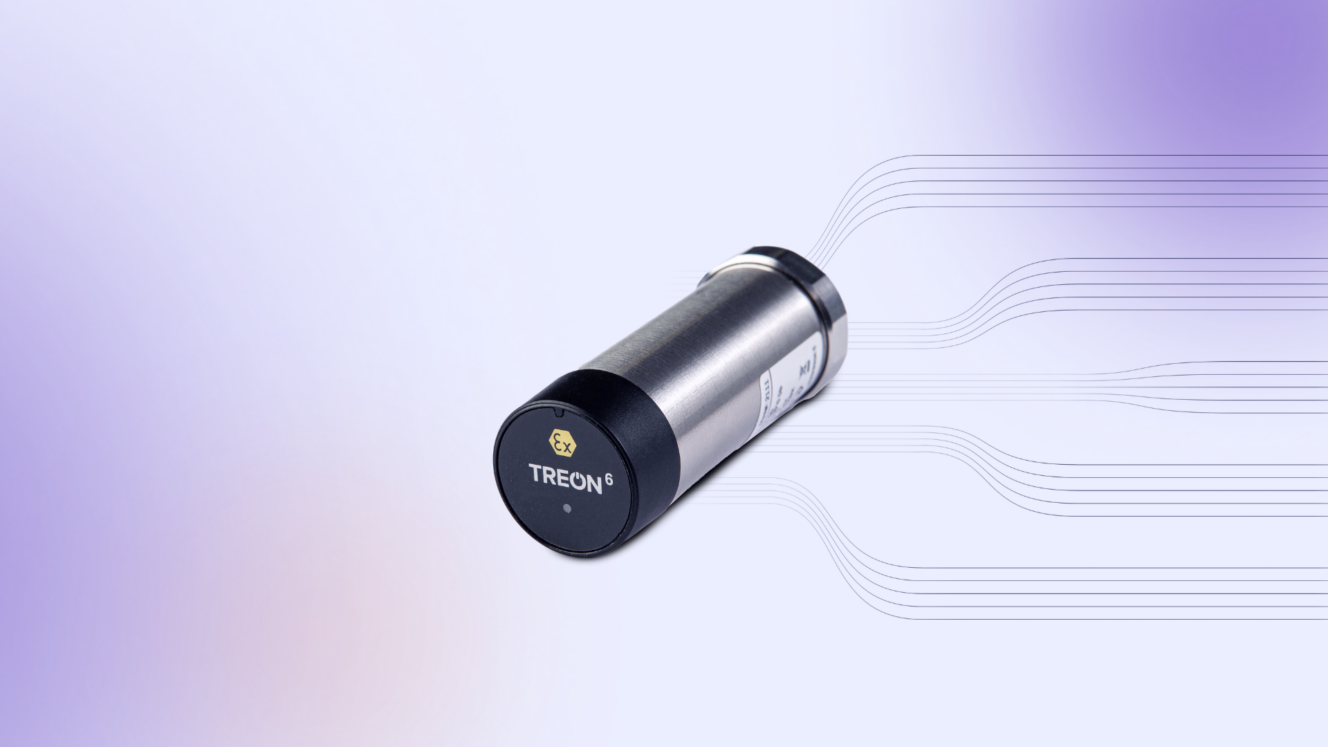
Treon Connect tackles these challenges head-on by smoothly integrating with business systems, creating a unified operational environment with the first use cases being condition monitoring and fleet management. Furthermore, Treon operates according to its ISO 27001 certification and ensures data security while enabling insights and automation to optimize maintenance, enhance safety, and improve energy consumption.
By bridging gaps between siloed systems, organizations can streamline processes, reduce risks, and unlock their full potential in the era of Industry 4.0.
Companies embracing digital transformation with Treon Connect won’t just adapt—they’ll lead, redefining industries with smarter, more secure, and innovative solutions.