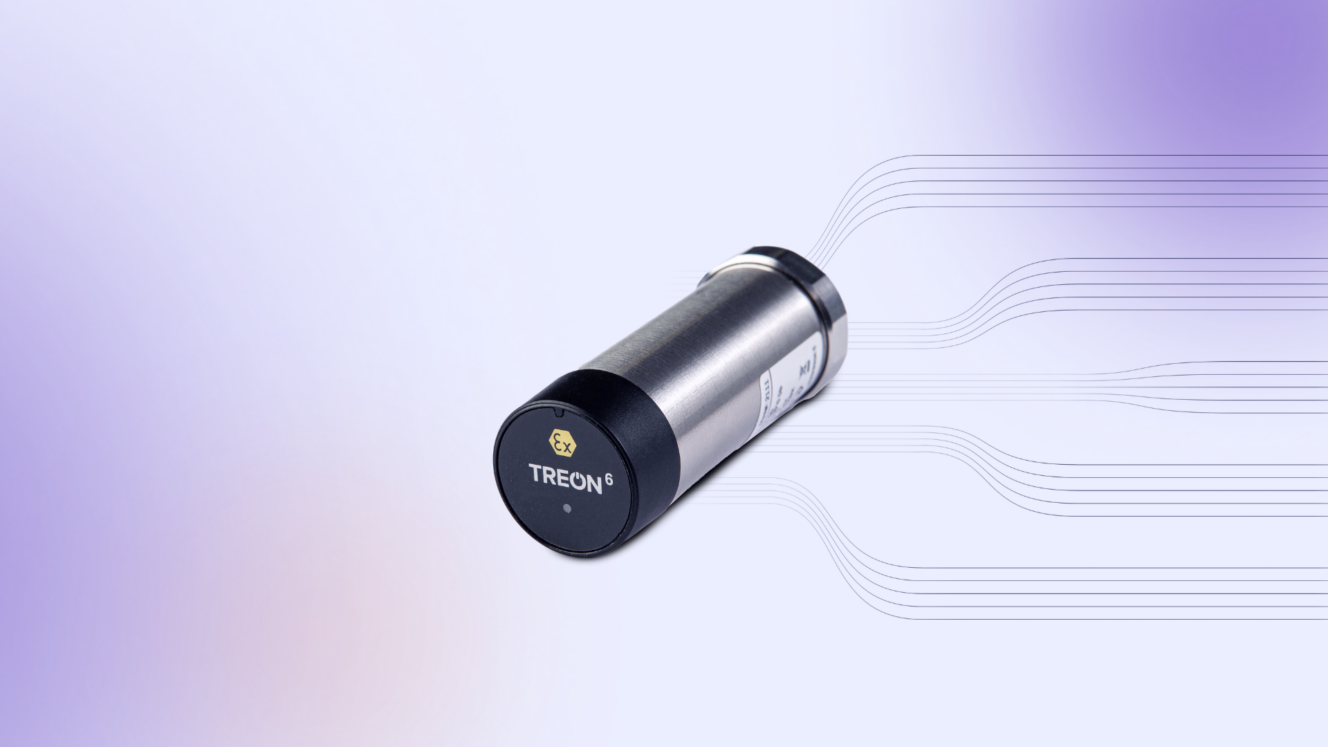
At Treon, we emphasize the most-recognized standards of cybersecurity requirements and safeguards in Operational Technology (OT). The Treon Connect platform enables seamless integration of devices, networks, and cloud systems, ensuring robust security across the entire ecosystem – from device-level data acquisition to cloud-based management and analysis. In this article, we will explore Treon’s strict security measures and why these are crucial for any Industrial, and Internet of Things (IoT) use cases.
Why is cybersecurity critical in IoT?
With over 25 billion IoT devices expected to be deployed by 2030, the Industrial IoT (IIoT) is a major driver of this growth. In this dynamic landscape, Treon emphasizes the most-recognized standards of cybersecurity requirements and safeguards, especially in the context of IoT and IIoT:
- Increased connectivity: IoT ecosystems involve thousands of interconnected devices. Treon’s cybersecurity measures ensure comprehensive protection, covering all devices, systems, and the cloud, to prevent vulnerabilities arising from this extensive connectivity.
- Data exchange: Sensitive data flows between IoT devices and the backend, including proprietary information. Treon implements robust security measures to safeguard this data, preventing potential compromises and ensuring the confidentiality and integrity of information.
- Data storage and backup: Reliable procedures are crucial to ensure data integrity and prevent data loss. Treon employs stringent storage and backup protocols to maintain data availability and security.
What are typical security vulnerabilities in IoT?
The larger the network, the more vulnerable it becomes to potential attacks. Scalability, increased connectivity, and connecting thousands of devices into large IoT ecosystems results in increased data exchange between devices, systems, and the cloud.
- Device vulnerabilities: The integrity of devices is crucial to collecting and transmitting data from device to device. IoT devices can be sensitive to code vulnerability attacks, which can lead to malware installation and unauthorized access to critical systems, as they are the source for data acquisition.
- Network vulnerabilities: Transmitting data and secure communication requires encryption with advanced systems to keep the data from leaking.
- Backend vulnerabilities: The backend infrastructure supporting IoT devices must be reinforced against threats targeting data storage and processing. Inadequate backend security can expose sensitive information to cybercriminals, leading to data breaches or unauthorized access. Implementing robust authentication and authorization protocols and conducting regular security audits is essential to safeguard these systems.
What common cybersecurity standards and practices are applied in IoT?
Standards and frameworks play a vital role in IoT security. They provide guidelines for best practices and compliance safeguarding the use and exchange of data and are implemented for several industries. Standards and practices aim to proactively detect threats and reactively apply measures to reduce the size of the attack surface. Key standards Treon refers to ensure cybersecurity include:
- ISO/IEC certification: ISO 27001 is an international standard for information security management, offering a framework for organizations to safeguard sensitive information and ensure confidentiality, integrity, and availability. By attaining this certification, Treon underscores its commitment to secure data handling and strengthens confidence in its cybersecurity practices.
- NIST framework: The National Institute of Standards and Technology (NIST) provides a framework for improving critical infrastructure cybersecurity including standards, guidelines, and practices to manage and reduce cybersecurity risks. Treon’s deploys wireless networks which adhere to the NIST recommended, industry-standard AES-128 encryption.
- ISA/IEC 62443: This standard focuses explicitly on industrial automation security, providing a comprehensive approach to secure IIoT devices, networks, and data exchange in the industrial context.
- EU Cyber Resilience Act (CRA): This European legislation aims to enhance cybersecurity across the EU by enforcing stricter standards for all products with digital elements, Treon closely follows the development of those recommended cybersecurity measures throughout its products lifecycles, ensuring safer software and hardware for users.
- Regular updates: To maintain the security and functionality of IoT systems, regular updates are crucial to mitigate potential vulnerabilities. Treon’s software and firmware updates include patches that fix security flaws, enhancements, and new features that can improve product performance and interoperability. Additionally, each update is signed with Treon’s private key and verified against a public key.
- Own Public Key Infrastructure (PKI): Utilizing PKIs ensures that the updates are authentic and have not been tampered with and beyond that proving Treon device identity The X.509 certificate fortifies device security and helps uphold the integrity of the IoT ecosystem, ensuring that sensitive data remains protected and the network functions optimally.
- GDPR (General Data Protection Regulation): This data protection regulation establishes critical guidelines for secure data handling and privacy, which are essential for protection of data processed by Treon solutions.
- Multi-Factor Authentication (MFA): The implementation of multi-factor authentication significantly reduces the risk of unauthorized access.
- Regular updates: To maintain the security and functionality of IoT systems, regular updates are crucial to mitigate potential vulnerabilities. Treon’s software and firmware updates include patches that fix security flaws, enhancements, and new features that can improve product performance and interoperability. Additionally, each update is signed with Treon’s private key and verified against a public key.
- Own Public Key Infrastructure (PKI): Utilizing PKIs ensures that the updates are authentic and have not been tampered with and beyond that proving Treon device identity The X.509 certificate fortifies device security and helps uphold the integrity of the IoT ecosystem, ensuring that sensitive data remains protected and the network functions optimally.
By adhering to these standards, organizations can enhance their cybersecurity posture and ensure robust protection against evolving threats in the IoT landscape. When developing a new offering, companies should not only pay attention to awarded certifications, but also technical requirements for secure interoperability.
How to send data securely from devices to the cloud?
Leveraging industry standards and best practices Treon emphasizes the end-to-end encryption and ensures that sensitive information is transmitted securely, reinforcing the resilience of its IoT ecosystem against potential cyber threats.
- Encrypted communication between devices: Inter device radio communication is encrypted by protocols. For example, Advanced Encryption Standard (AES-128) on the Wirepas mesh network is used to send both data transmission and network signaling data securely between Treon sensors and gateways.
- Encrypted communication between devices and the cloud: Safeguarding data transmission between Treon Gateway and the backend Treon deploys a lightweight Message Queuing Telemetry Transport (MQTT), or Hypertext Transfer Protocol (HTTP). All communication is protected by Transport Layer Security (TLS) version 1.2 or higher to establish a secure channel.
What to consider when selecting an IoT solution provider?
Besides certifications, standards and technical requirements, choosing a provider also involves evaluating their expertise. When selecting an IoT solution provider, these key factors should be considered:
- Software Integrity: Prioritize providers that offer top-notch software maintenance and integrity.
- Secure Communication: Ensure that they provide secure communication across all devices, networks, and backend systems.
- Data Ownership and Storage: Check their data ownership policies and storage options, whether you’re looking for cloud or on-premises deployment.
- Security Standards and Certifications: Choose providers who comply with industry security standards and follow relevant certifications.
- Industry Expertise: Confirm that the provider has deep expertise in your specific industry and understands relevant protocols.
Treon Connect middleware – the backbone of secure IoT deployments with Treon Connect?
Treon offers comprehensive cybersecurity solutions for IoT ecosystems, ensuring secure, scalable deployments. Treon Connect middleware is the backbone of the platform and provides end-to-end communication security using X.509, TLS, MQTT, HTTP, and wireless networks. Regular updates address vulnerabilities, and the ISO 27001 certification guarantees robust information security management. With their own private key infrastructure and device authentication mechanisms, Treon ensures enhanced security across thousands of connected devices. Trusted by global leaders across the domains of industrial, logistics, and digital buildings, and more Treon is positioned as a reliable and secure partner for IoT solutions.
As the IoT continues to evolve, cybersecurity must remain the top priority. With its robust security features, Treon is well-equipped to help customers navigate the cybersecurity challenges of the IoT era. By securing our IoT solutions, we can fully harness the potential of IoT while safeguarding data and operations.