The rise of AI and wireless sensors marks a significant evolution in predictive maintenance and condition monitoring, prompting a critical question: does the advancement of wireless technology and AI signal the end for vibration technicians?
The answer isn’t that simple.
This evolution is happening in the context of a skilled labor shortage that is necessary for the effective execution of predictive maintenance and condition monitoring of assets. This gap in expertise not only hinders the implementation of crucial programs but also limits the ability of organizations to monitor and maintain their assets efficiently. To tackle these challenges, the industry is increasingly adopting innovative solutions, primarily leveraging AI technology powered by wireless condition monitoring. These services extend the capabilities of internal resources, allowing for the cost-effective monitoring of a greater number of assets.
Bridging the skills gap with AI
The introduction of AI in analyzing vibration data is becoming a primary solution to the skilled labor shortage, reducing the need for extensive human analysis. The integration of AI predictive maintenance technology, which utilizes advanced analytics and diagnostic libraries capable of forecasting machine faults before they occur, empowers organizations to initiate, expand, or sustain their condition monitoring efforts, even amidst ongoing labor shortages.
The expansion of AI within the industry is anticipated to unfold in two main directions. First, AI applications that enhance the decision-making capabilities of skilled users will become more widespread, enabling more efficient and effective maintenance strategies. Secondly, introducing AI tools that can provide guidance and insights to operators, technicians, and other staff will help bridge the gap when there’s a change in the workforce, such as when seasoned employees retire. This approach ensures that the quality and efficiency of work remain consistent, even with new personnel stepping in.
Enhancing data collection with wireless sensors
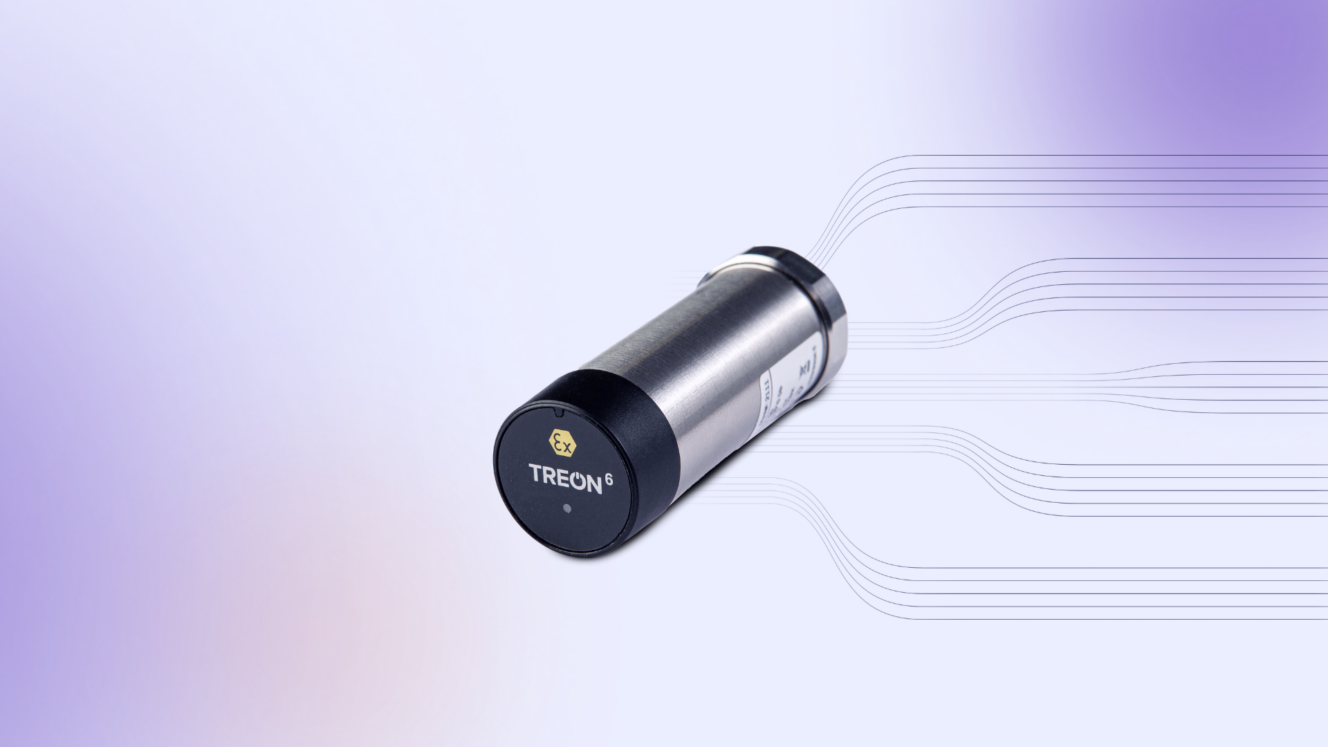
Wireless vibration sensors contribute to this evolving landscape by making it more feasible to collect data from a broader range of equipment. Although they may reduce the need for manual, handheld measurements traditionally performed by technicians, wireless sensors emerge as a cost-effective solution for monitoring medium and less critical assets. Historically, these assets were either neglected, relying on a run-to-failure strategy, or only received attention during periodic checks by external service providers. However, in contrast to these outdated methods, including the labor-intensive ‘walking-the-route’ approach, wireless sensors provide a continuous, around-the-clock stream of data if needed. This not only enhances the frequency and reliability of the information available for analysis but also represents a significant leap in efficiency and effectiveness in equipment monitoring.