Industries benefiting from sensors in hazardous areas
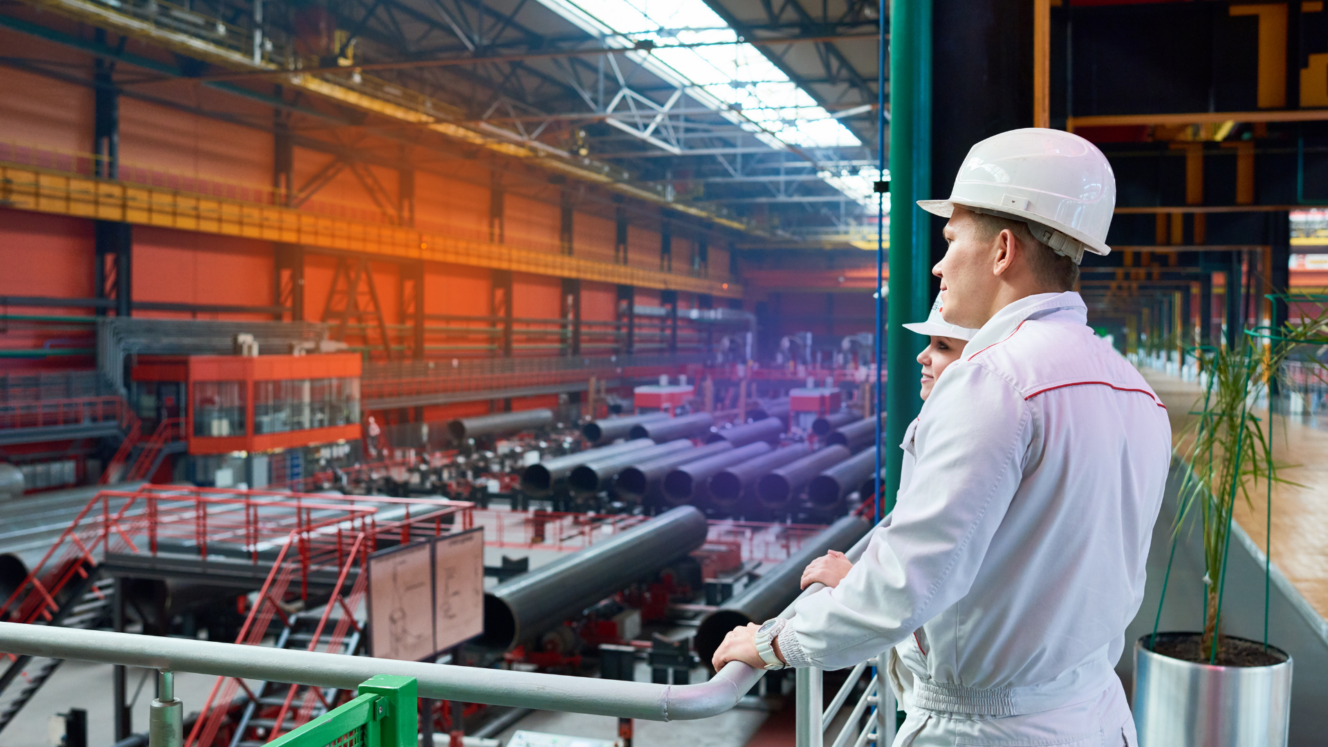
Several industries, such as oil and gas, chemical, pharmaceuticals, energy, manufacturing and logistics, and food and beverages may require the use of ATEX, IECE, HazLoc certified sensors in hazardous areas for condition monitoring. In sectors such as oil and gas, sensors in hazardous areas play a pivotal role in safeguarding the operation of pumps, motors, compressors, and turbines. Similarly, in chemical plants, sensors in hazardous areas are essential for monitoring to prevent potential leaks. In manufacturing and logistics, these sensors oversee the smooth functioning of conveyor belts and equipment, enhancing operational safety.
Pharmaceutical manufacturing relies heavily on sensors in hazardous areas to ensure compliance with safety standards. Even the food and beverages industry find sensors in hazardous areas invaluable for managing flammable substances and ensuring the safety of production processes. In the energy sector, sensors in hazardous areas are indispensable for monitoring engines and systems, ensuring optimal performance and safety.
Across all these diverse industries, sensors in hazardous areas, such as ATEX-certified sensors, bridge the gap between safety regulations and operational efficiency. However, it’s crucial to note that specific requirements may vary based on the environment, highlighting the importance of expert assessment in selecting the appropriate sensors for designated hazardous areas.
Navigating safety measures in hazardous areas
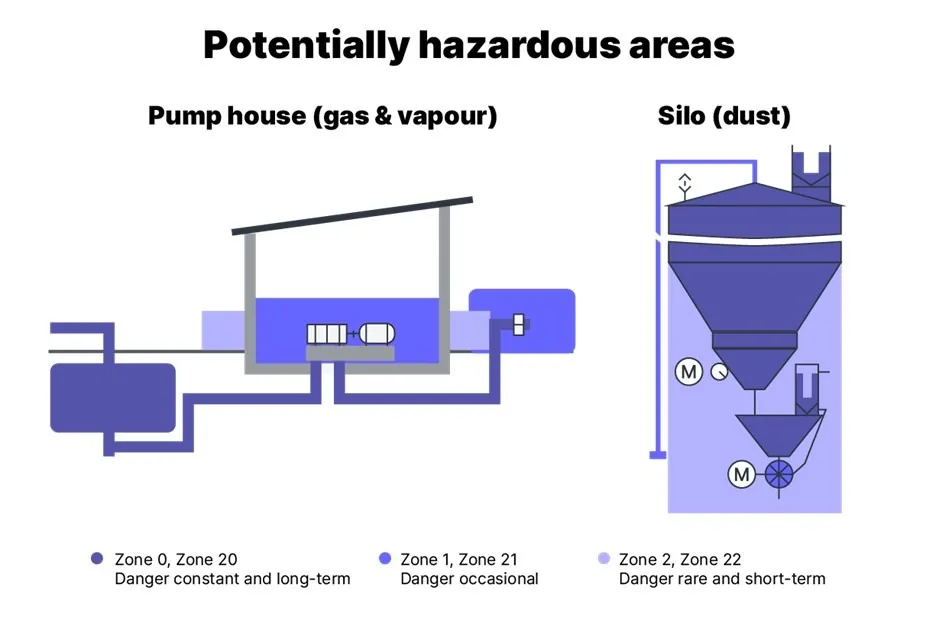
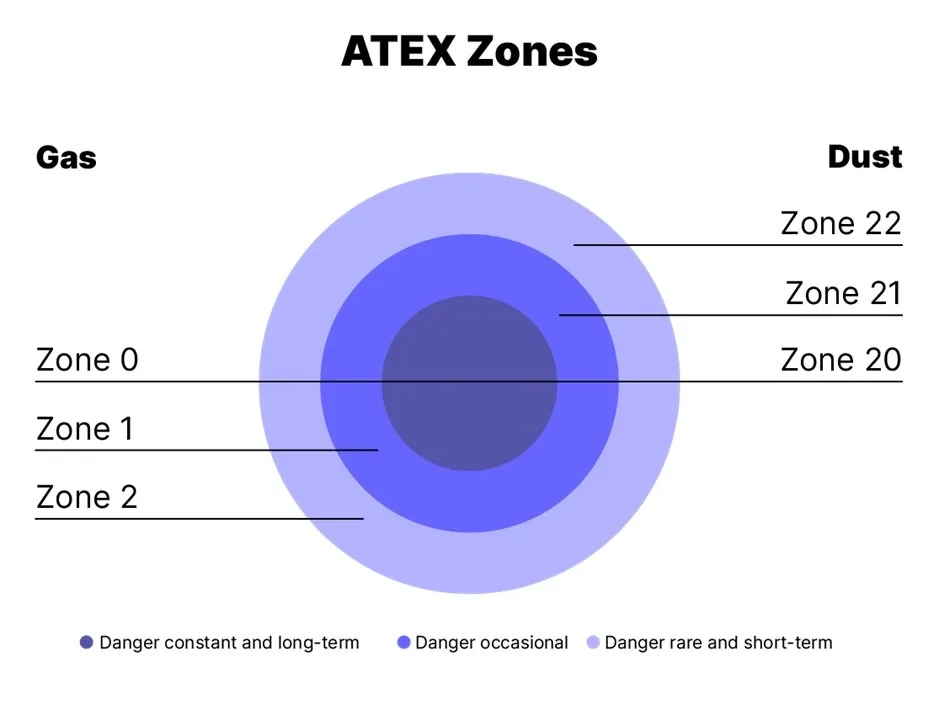
Potentially explosive atmospheres are divided into zones to account for different levels of risk as illustrated in figure 1 below. This classification allows explosion protection measures to be tailored for both safety engineering and economic efficiency.
Safe operation of electrical equipment in these environments relies on a collaborative effort between manufacturers of explosion-protected equipment and operators of industrial plants. These areas contain air filled with potentially flammable substances such as gas, vapor, dust, or mist. To manage risks effectively, hazardous atmospheres are meticulously classified for gas and dust into specific zones.